
The marketing landscape in 2026 isn’t just evolving, it’s being completely rewritten.
After decades in this business and having helped generate over $100 million in online sales, I’ve never seen changes happening this fast.
While other ‘experts’ are making safe, obvious predictions, I’m going to tell you what’s really coming.
Some of these predictions might shock you.
Others will make you completely rethink your strategy for the year ahead.
I’ve spent the past six months studying data, talking to industry insiders, and analyzing trends across every major marketing channel. What I’ve discovered will either excite you or keep you up at night.
Here are my 26 bold predictions for marketing in 2026…
#1 – SMS Marketing Officially Replaces Email as the Primary Direct Channel
Email marketing is dying a slow death, and 2026 is the year marketers finally admit it.
 With Apple’s iOS updates crushing email deliverability and open rates becoming meaningless, SMS is stepping in as the new king.
SMS boasts a 98% open rate compared to email’s struggling 20-30%.
The writing is on the wall – smart marketers are already building their text subscriber lists like their business depends on it. Because it does.
#2 – AI Becomes Table Stakes (If You’re Not Using It, You’re Out)
88% of marketers already use AI tools daily, and by 2026, that number hits 100%. The difference? It won’t be a ‘tool’ anymore, it’ll be invisible infrastructure.
From automatically generating ad variants to optimizing send times, AI will run behind every successful campaign. Marketers who resist this shift will be competing with quill pens in a digital world.
Meta is already promising fully automated advertising by 2026. The question isn’t whether to adopt AI. It’s how fast you can integrate it.
#3 – Human-Created Content Commands Premium Pricing
As AI floods the internet with generic content, anything demonstrably human-made will command premium attention and pricing.
Google’s E-E-A-T principles (Experience, Expertise, Authoritativeness, Trustworthiness) aren’t just SEO guidelines anymore, they’re survival requirements.
Brands that invest in authentic, experience-driven content will dominate search results and AI answer engines.
The irony? In our AI-driven world, being human becomes the ultimate competitive advantage.
#4 – Generative Engine Optimization (GEO) Replaces Traditional SEO
Forget ranking on Google. In 2026, you need to rank in ChatGPT, Claude, and Perplexity.
Users are shifting from keyword searches to conversational AI queries, and if your content isn’t optimized for AI citation, you’re invisible.
This means creating content that AI systems can easily understand, reference, and cite. Schema markup, clear answer-style content, and structured data become more important than keyword density ever was.
#5 – Video Podcast Clips Become the Highest-ROI Content Format
Short-form video still dominates, but the real winners are creating video podcast clips.
These 60-90 second highlights from longer conversations are going viral across TikTok, Instagram Reels, and YouTube Shorts.
They offer the perfect combination of authority (expert content), engagement (video format), and shareability (bite-sized clips). Smart brands are turning every interview, webinar, and meeting into a content goldmine.
#6 – Live Commerce Explodes in Western Markets
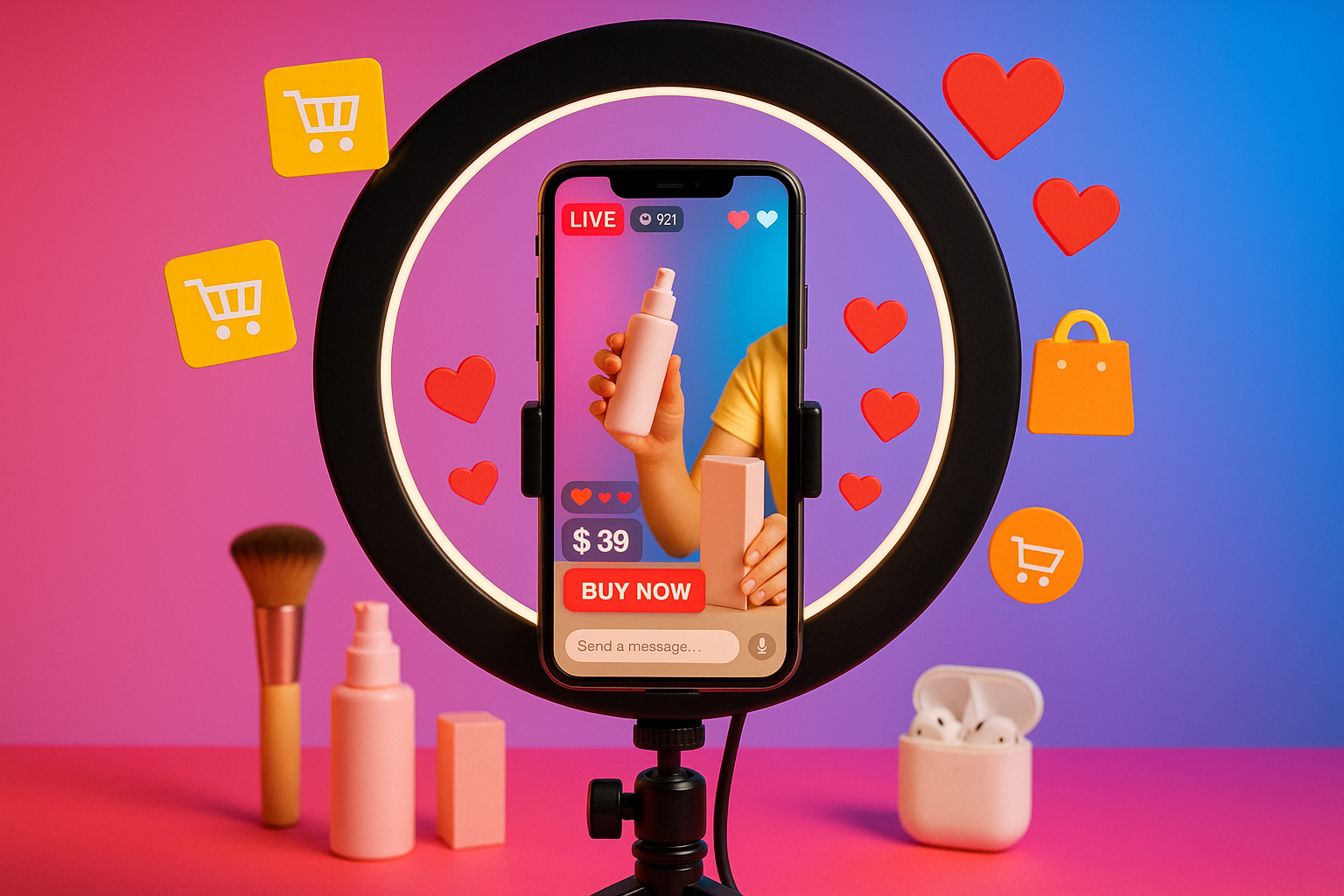
Livestream shopping finally hits its stride in North America and Europe, projected to account for over 5% of all e-commerce sales.
Platforms like TikTok, Instagram, and YouTube are investing heavily in live shopping features. The magic happens when influencers demo products in real-time while viewers buy with a single click.
Conversion rates for live streams crush traditional ads because they combine entertainment, education, and instant gratification.
#7 – Micro-Influencers Deliver 10X Better ROI Than Mega-Influencers
 Celebrity endorsements are dead. Micro-influencers with highly engaged niche audiences are where smart money goes.
These creators with thousands (not millions) of followers boast authentic relationships with their audience that translate to actual sales.
68% of marketers already report better results from niche influencers, and 2026 is when budget allocation follows the data. Authenticity beats reach every single time.
#8 – Employees Become Your Most Powerful Brand Ambassadors
Employee advocacy programs explode in 2026 as companies realize their workforce has more reach than their corporate channels.
Posts shared by employees get 8X more engagement than brand posts and generate 7X more leads. Progressive companies are creating ‘Employee Content Creator’ roles and training staff to become thought leaders.
Your next brand ambassador is probably sitting in the cubicle next to you.
#9 – Creative Quality Becomes the Primary Competitive Differentiator
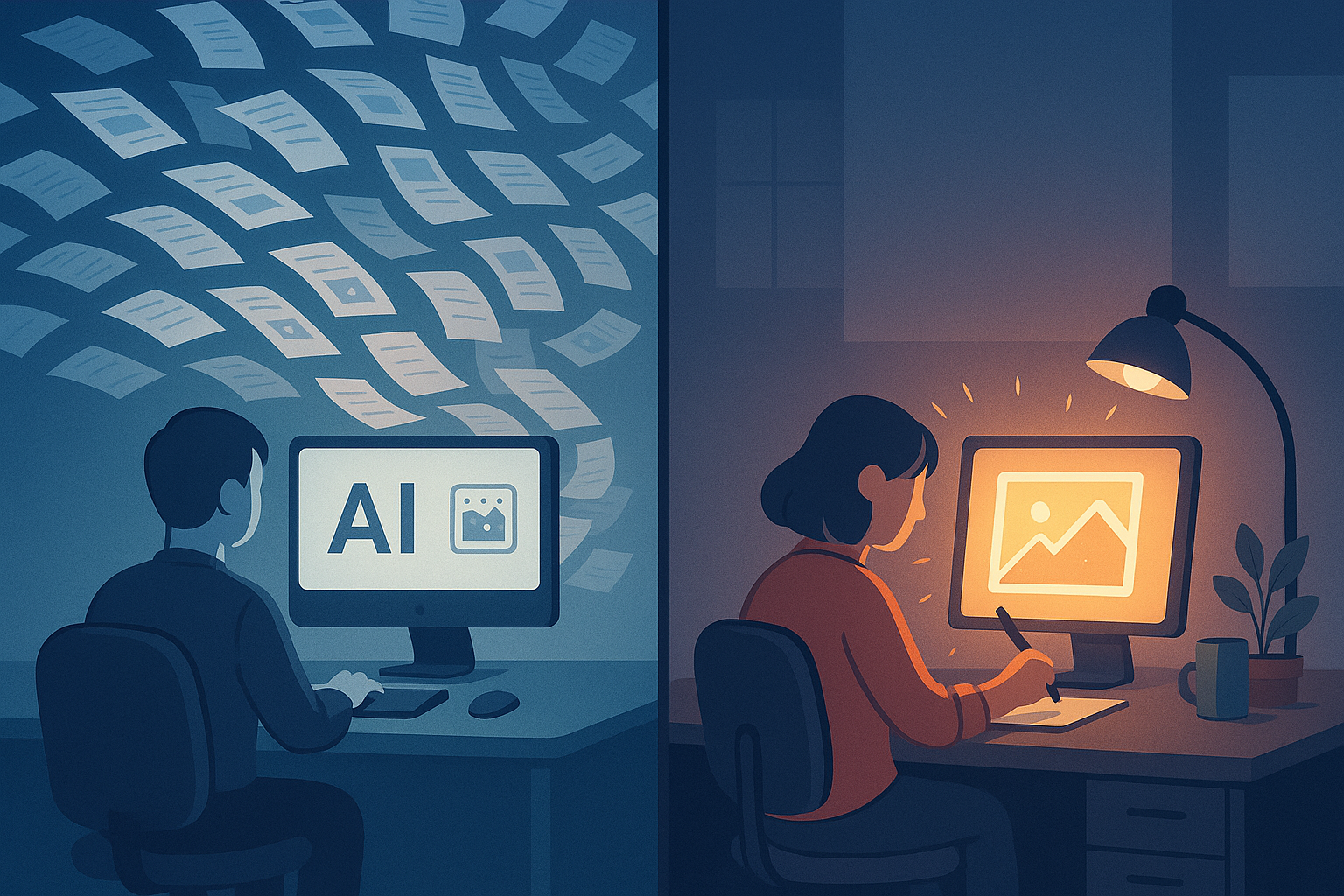 When AI can generate infinite content and everyone has access to the same data, superior design and creative execution become the only moat.
Brands with exceptional creative taste will break through cluttered feeds while generic content gets ignored.
Investing in top-tier creative directors, designers, and videographers becomes as essential as investing in media buying. In a world of infinite content, only the extraordinary gets noticed.
#10 – Affiliate Marketing Becomes a $15 Billion Industry
Affiliate marketing sheds its ‘side hustle’ reputation and becomes a core revenue channel for major brands. With an average return of $12 for every $1 spent, it outperforms most paid advertising.
The growth driver?
Influencers are becoming affiliates, and affiliates are becoming influencers. Social platforms are adding native affiliate features, making commission-based marketing seamless.
Performance-based spending becomes the smart money play in an uncertain economy.
#11 – Conversational Marketing Through Chatbots Reaches Human-Level Performance
AI-powered chatbots finally deliver on their promise, providing 24/7 customer service that feels genuinely human.
These aren’t the clunky bots of 2023 – they understand context, remember conversations, and guide users through complex purchases.
E-commerce sites will replace traditional product pages with conversational shopping experiences.
The result?
Higher conversion rates and happier customers who feel heard and understood.
#12 – AR and VR Finally Deliver Real Business Results
After years of hype, AR and VR marketing finally prove their worth.
Virtual try-ons reduce return rates by 64%, while AR product previews boost purchase confidence significantly.
From furniture placement to makeup testing, immersive experiences solve the biggest problem in online shopping – the inability to experience products before buying. Smart retailers are building AR into their core shopping experience, not treating it as a gimmick.
#13 – Zero-Party Data Becomes More Valuable Than Gold
As third-party cookies disappear completely, brands desperately need first-party data. But the real treasure is zero-party data, or information customers willingly share in exchange for value.
99% of consumers will share preferences for tailored recommendations. Smart brands use quizzes, preference centers, and loyalty programs to gather consented data. This creates the personalization engine that drives everything else.
#14 – Community-Driven Marketing Creates Unbreakable Brand Moats
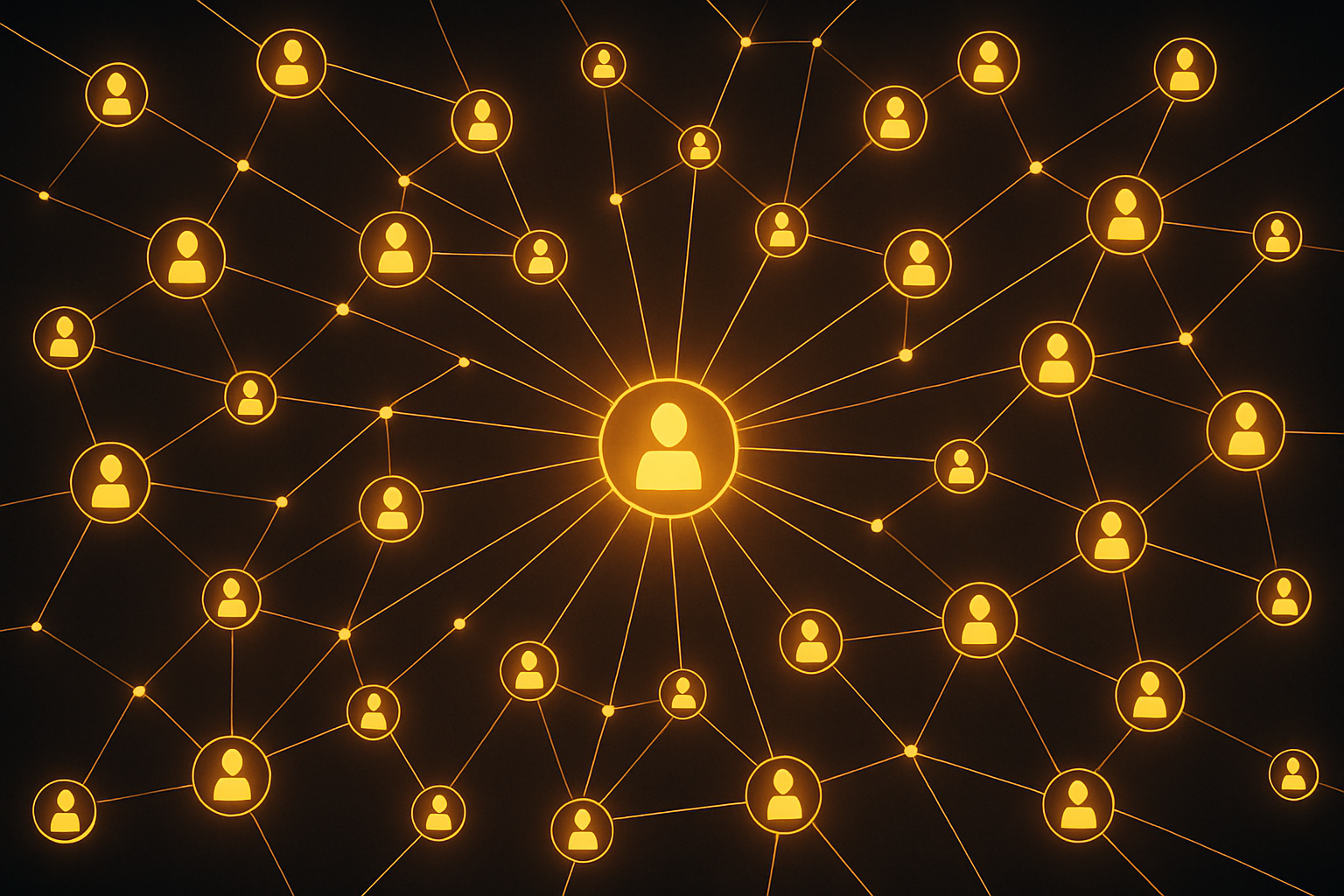 In an era of rising acquisition costs, passionate customer communities become invaluable.
Brands that build thriving communities of users who genuinely help each other create network effects that competitors can’t replicate.
These communities generate user-generated content, provide customer support, and essentially turn customers into unpaid marketers.
The most successful brands of 2026 won’t just have customers, they’ll have evangelists.
#15 – Predictive Analytics Becomes Standard Operating Procedure
Reactive marketing dies in 2026. AI-powered predictive analytics helps marketers anticipate customer behavior, optimize budgets before campaigns launch, and trigger retention campaigns before customers consider leaving.
Companies using predictive analytics see 73% faster decision-making and 2.9X higher campaign performance.
The future belongs to marketers who can predict what customers want before customers know it themselves.
#16 – Privacy-First Marketing Becomes a Competitive Advantage
84% of consumers say data privacy is a human right, and 2026 is when brands that respect this sentiment get rewarded with loyalty.
Transparent data practices, clear consent mechanisms, and ‘privacy by design’ become selling points, not just compliance requirements.
Brands that advertise their privacy commitments will win customers from competitors who treat privacy as an afterthought. Trust becomes the ultimate conversion factor.
#17 – Marketing Teams Become Hybrid Human-AI Organizations
The most successful marketing teams of 2026 won’t be all human or all AI, they’ll be perfectly orchestrated hybrids.
Marketing workflows will be redesigned so humans provide strategy and creativity while AI handles execution and optimization.
This isn’t about replacing marketers, it’s about elevating them. Teams that master this collaboration will outperform traditional teams by massive margins.
#18 – Sustainability Marketing Moves From ‘Nice-to-Have’ to ‘Must-Have’
Vague sustainability pledges are dead. 2026 consumers demand specific, measurable benefits like energy efficiency or product durability. Brands must shift from broad ‘saving the planet’ statements to tangible value propositions.
The winners focus on how sustainable choices benefit the customer directly by saving money, lasting longer, or performing better.
Greenwashing gets called out instantly; authentic sustainability gets rewarded.
#19 – Interactive Content Becomes the Standard, Not the Exception
 Passive content is dying fast. Polls, quizzes, shoppable videos, and AR experiences become baseline expectations, not innovative features.
44% of marketers using interactive content report higher success rates.
The shift is driven by shorter attention spans and platform algorithms that favor engagement.
Brands that still rely on static content will feel like they’re shouting into the void.
#20 – Voice and Visual Search Reshape Content Strategy
With 8.4 billion voice assistants in use globally and Google processing 12+ billion visual searches monthly, content optimization must go beyond text.
Marketers need to optimize for conversational queries (‘What’s the best…’) and visual searches (product images, logos, infographics). This means rethinking content creation for multi-modal discovery across voice, visual, and text interfaces.
#21 – Omnichannel Attribution Finally Gets Solved
The death of cookies forces innovation in attribution modeling.
Marketing mix modeling, incrementality testing, and AI-driven attribution replace the broken ‘last-click’ system. Brands adopt multi-touch attribution that fairly credits the Facebook ad that created awareness and the Google ad that captured the conversion.
This creates more intelligent budget allocation and better campaign optimization.
#22 – User-Generated Content Becomes AI-Enhanced and Shoppable
UGC evolves beyond simple social posts.
AI helps brands identify the best user content and automatically enhance it with shopping links, product tags, and optimization for different platforms.
Brands embed UGC directly into product pages and create shoppable video feeds. The result: authentic social proof that drives immediate purchases.
Customers become co-creators in the brand’s e-commerce experience.
#23 – Micro-Moments Marketing Reaches Hyper-Precision
AI enables marketers to identify and target micro-moments with surgical precision.
Instead of broad demographic targeting, campaigns trigger based on specific behavioral signals, weather patterns, local events, or even biometric data from wearables.
Spotify already personalizes based on heart rate and movement – this becomes standard across all marketing. The right message reaches the right person at the exact right moment.
#24 – MarTech Stacks Consolidate for Simplicity and Power
The era of 47 marketing tools ends in 2026.
Pressured to do more with less, marketers consolidate to fewer, more powerful platforms that integrate seamlessly. Marketing suites that combine CRM, automation, analytics, and creative tools win over point solutions.
No-code integration platforms help connect remaining systems. The goal: a single customer view and unified execution without the complexity of managing dozens of logins.
#25 – Real-Time Personalization Becomes Invisible Infrastructure
Personalization becomes so seamless that users rarely notice it happening.
Every email subject line, website layout, and product recommendation adjusts automatically based on real-time behavioral signals.
Instead of obvious personalization like ‘Hi [First Name],’ AI systems anticipate intent, context, and emotion to shape experiences invisibly. This creates the feeling that every brand interaction is naturally perfect – which drives incredible loyalty.
#26 – Traditional KPIs Die, Engagement-Based Metrics Take Over
Click-through rates, page views, and open rates become irrelevant in a world of AI overviews and platform algorithm changes.
The new success metrics focus on true engagement: conversation rates, share velocity, brand mention sentiment, and customer lifetime value impact.
Marketers stop chasing vanity metrics and start measuring what actually correlates with business growth. Quality of attention beats quantity of impressions.
The Bottom Line
2026 won’t be about catching up to trends, it’ll be about anticipating what comes next.
The marketers who thrive will be those who embrace AI while doubling down on human creativity, who build genuine relationships while leveraging data science, and who move fast while thinking strategically.
Pick two or three predictions from this list that resonate most with your business. Start testing them now. The brands that experiment early will have a massive advantage when these trends become mainstream.
The future of marketing is being written right now.
The question is: will you be writing it, or will you be reading about what others accomplished?

