

Every beginner ecommerce guide still says the same thing: find a product, set up a shop, run some ads, and collect the margin. That advice made sense in 2019 when competition was thin and customers were patient. It does not make sense anymore. In 2026, over 70% of new ecommerce stores fail within their first 30 days.
Not because people stopped buying online. Ecommerce spending is actually at an all-time high. They fail because most sellers are still selling commodities in a world that only rewards identities. Whether you have a warehouse full of inventory or you are shipping straight from a supplier, if your store looks like a generic version of something a customer can find on Amazon for 20% less, they will keep scrolling. I call this “commodity blindness,” and it is the number one reason margins are disappearing across the board.
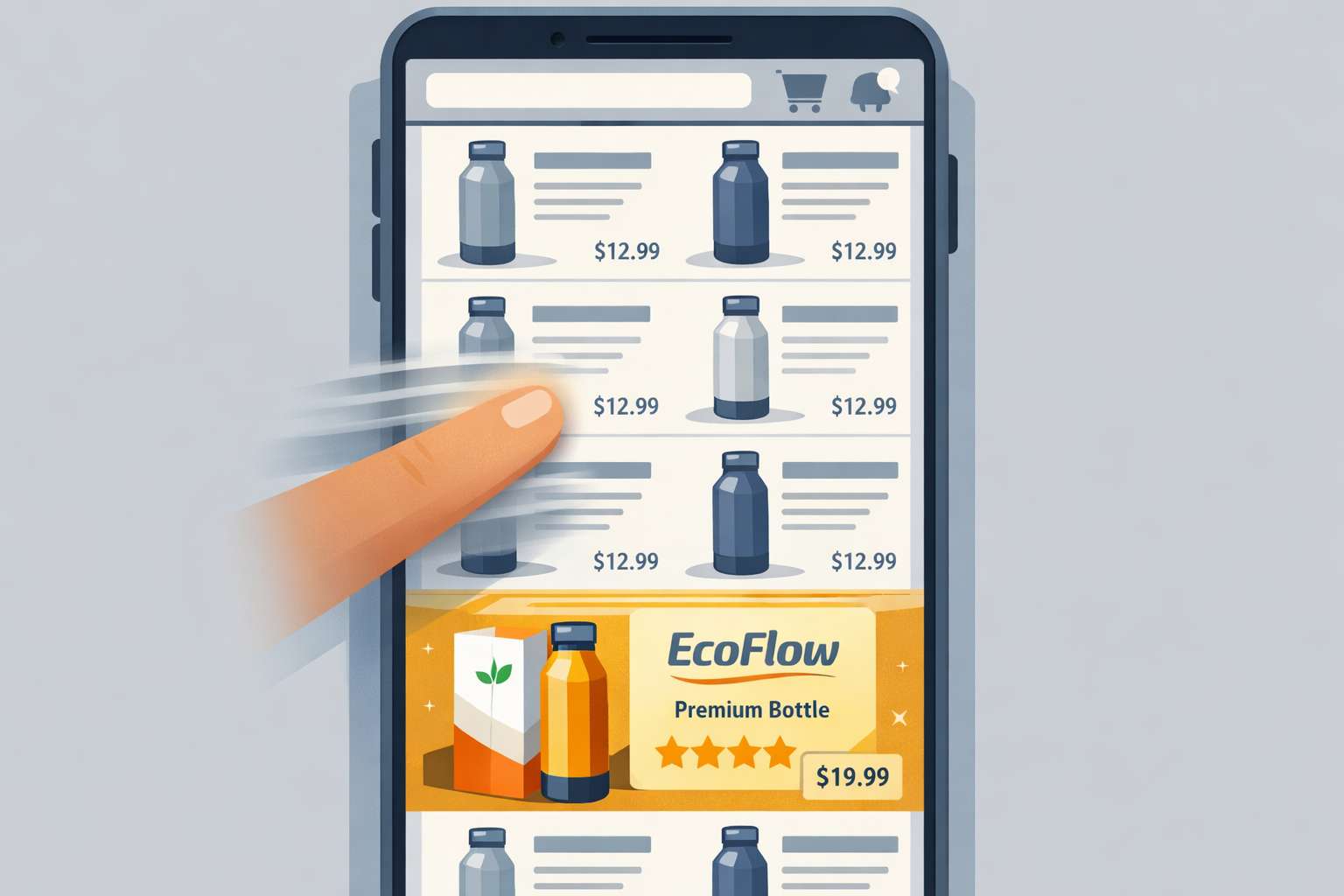
The stupidly simple fix is not finding a magic product or a secret ad hack. It is a fundamental pivot in how you position your business. The problem is not that ecommerce is broken. The problem is that the “product-first” model is dead. The race to the bottom is over, and the winner is the seller who stops selling items and starts building a micro-brand.
Why the “Product-First” Model Feels Smart (But Usually Isn’t)
I understand the appeal of the traditional approach. Find a product that is selling well, source it cheaply, list it, and run ads. Whether that means dropshipping from a supplier or buying inventory in bulk, the logic is the same: the product does the work, and you just need to get it in front of people.
But that logic has quietly fallen apart over the past two years. Customer acquisition costs have risen sharply across every major platform. Two-day delivery is now the baseline expectation (thanks to what everyone calls the “Amazon Prime Effect”), and anything slower triggers suspicion, chargebacks, and negative reviews. On top of that, because so many sellers are sourcing the same products from the same suppliers, you end up competing on price alone. And when you are competing on price alone with razor-thin margins, the math stops working the moment ad costs tick up even slightly.
This applies whether you are dropshipping or holding your own inventory. If you have a warehouse full of unlabeled products that a customer can find on Amazon for 20% less, you are in the same race to the bottom. The fulfillment model does not matter. What matters is whether you are selling an item or selling an identity.
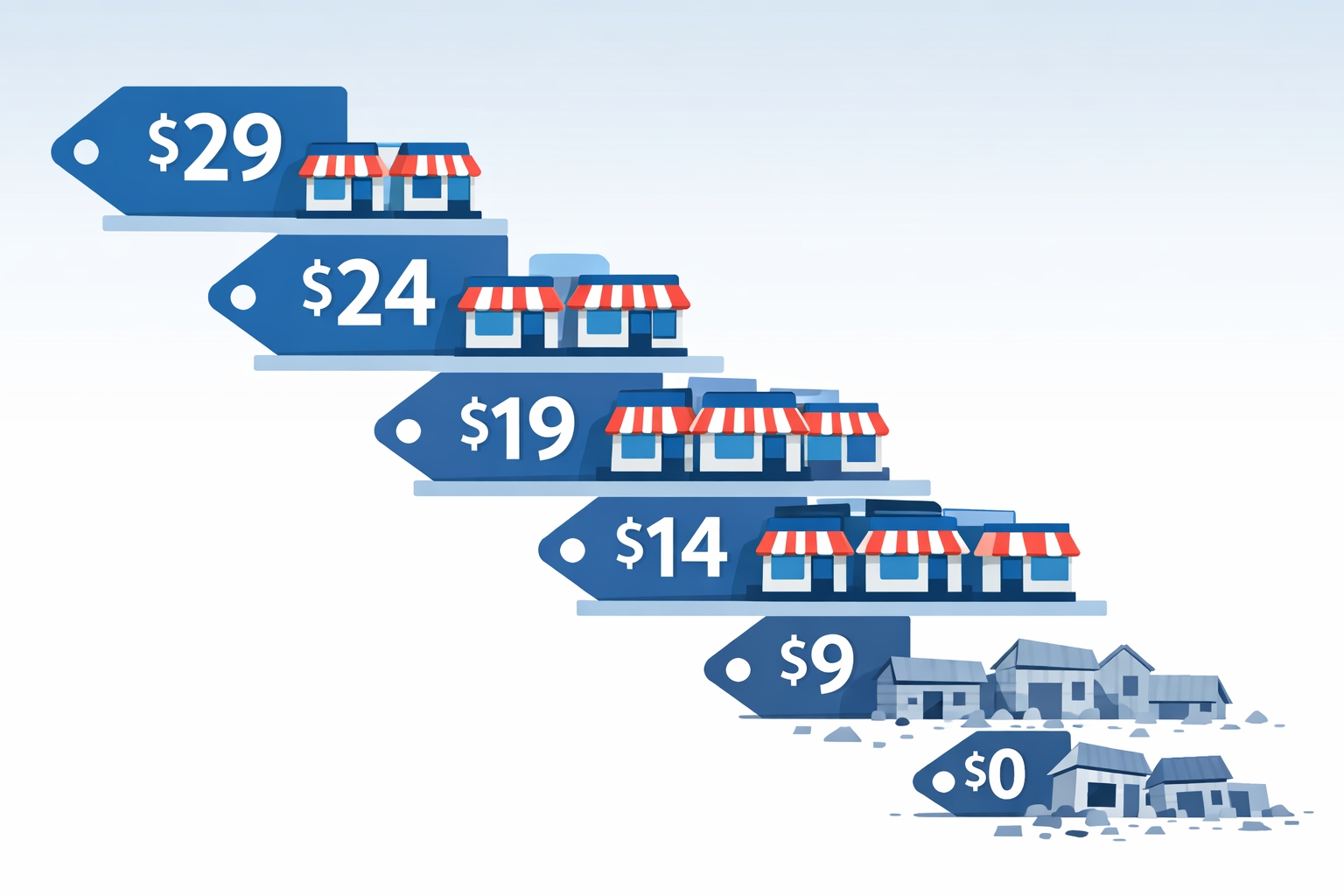
There is a better model, and it does not require a warehouse, a massive budget, or years of experience. It is called a micro-brand, and it is the pivot that is separating people who are actually making money in ecommerce from the ones who keep starting over every few months.
The Micro-Brand Shift
A micro-brand is not a full brand build. You are not creating the next Nike or even the next niche DTC darling with a $200K launch budget. A micro-brand is a small, focused product line where you control three things: the quality, the branding, and the margin. That is it. Just enough differentiation to escape the commodity trap.
The idea is simple. Instead of selling the exact same $12 dog toy that 400 other Shopify stores are selling, you create a $45 “Anxiety-Reduction Sensory Set” for dogs with separation anxiety. Same fulfillment logistics, completely different business. The perceived value jumps, the margin triples, and you can actually afford to run ads because you have room to spend.
This is more accessible in 2026 than it was even two years ago. White-label manufacturers will custom-brand products in small batches. AI tools can validate your niche before you spend a dollar. And consumers have become so skeptical of generic products that anything with real branding and a clear point of view stands out immediately.
The Three-Rule Niche Check
Before you spend money on inventory, ads, or even a domain name, run your product idea through these three filters. If it passes all three, you have something worth pursuing. If it fails even one, move on.
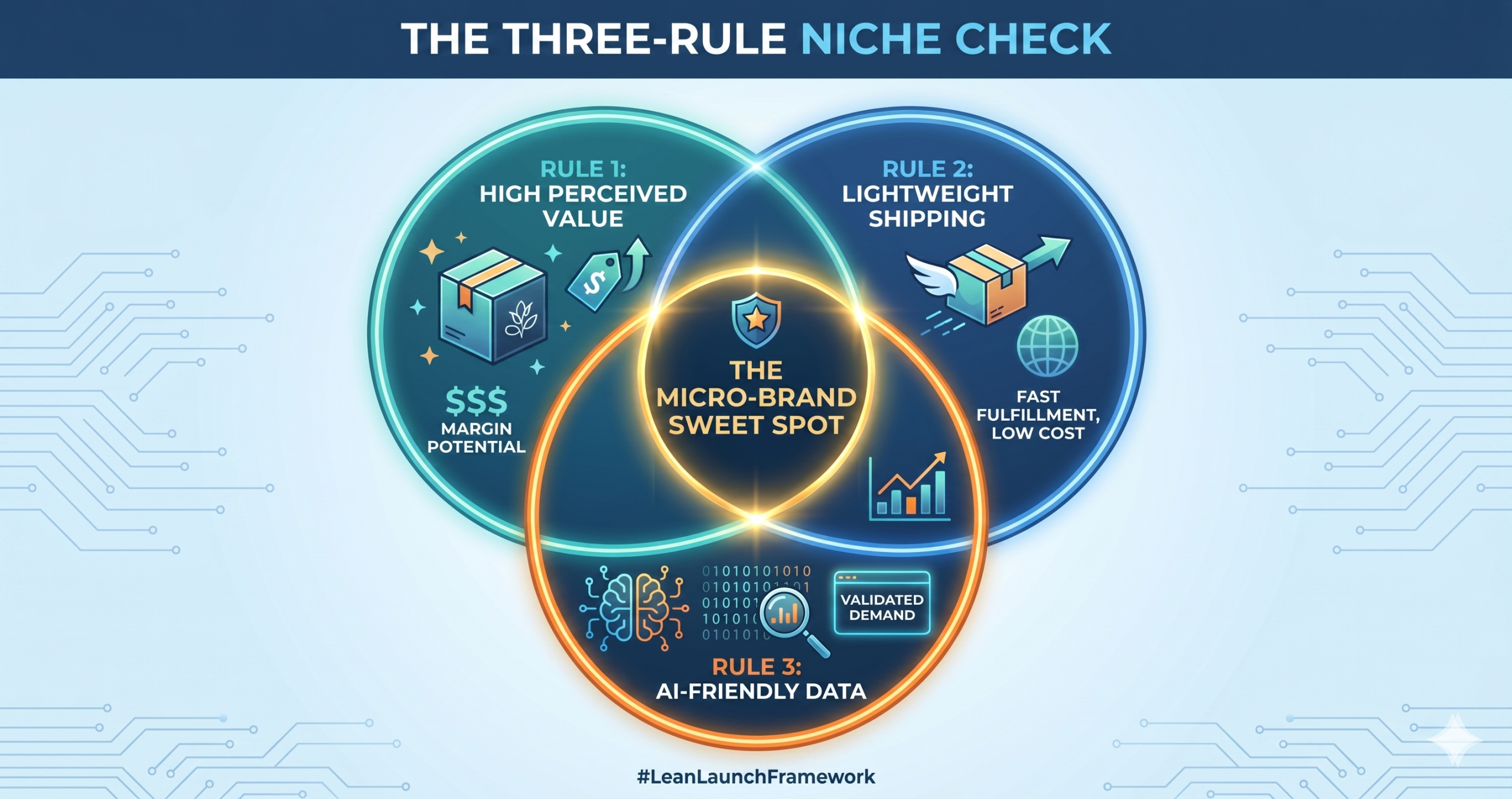
Rule 1: High Perceived Value
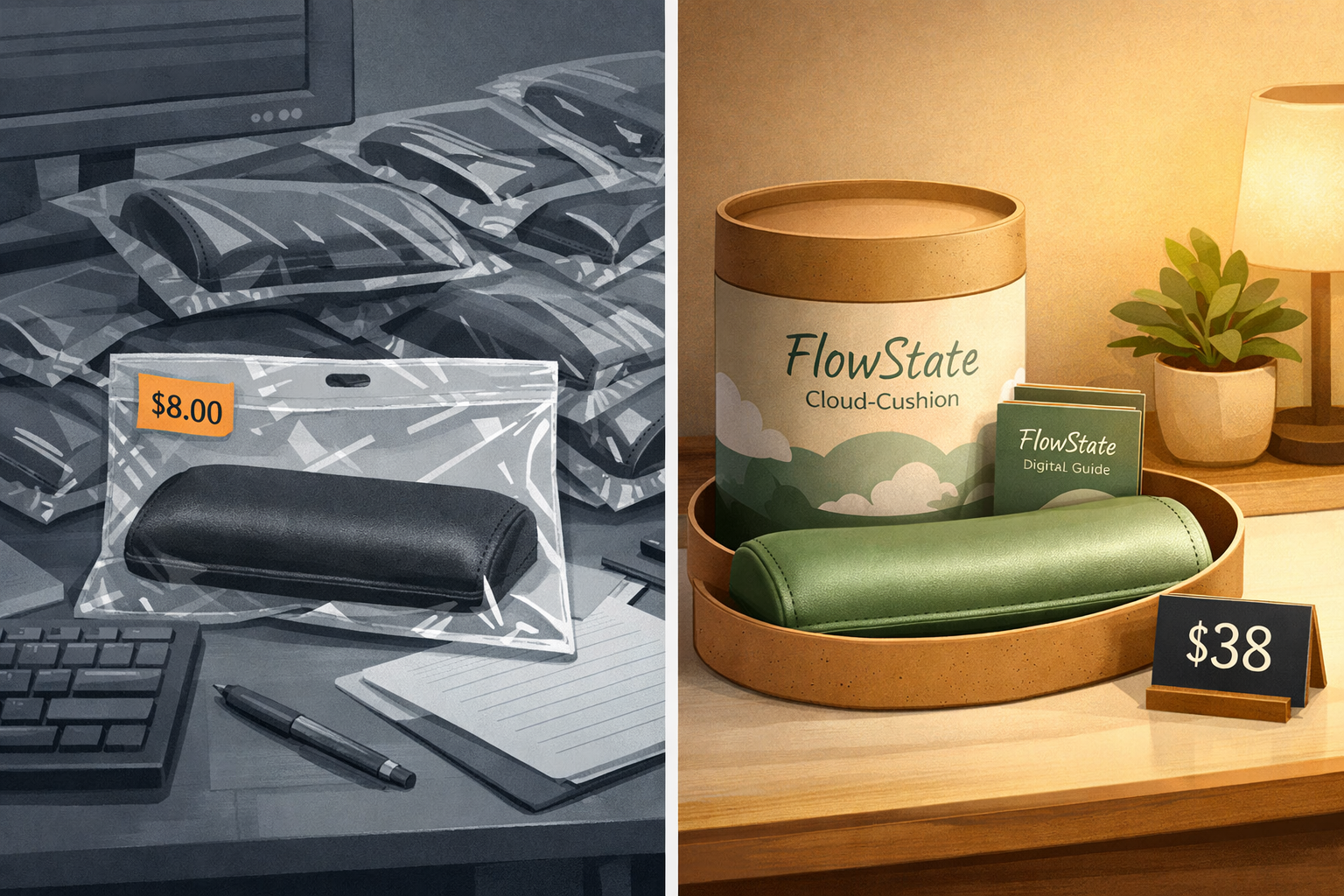
The product needs to feel worth significantly more than it costs to make. For physical products, I call this the “Aesthetic Tax.”
Here is what that looks like in practice: Take a plain ergonomic wrist rest: black foam, plastic baggie packaging, $8 on Amazon with brutal competition and a $3 margin. Now take the same core product and rebrand it as “The FlowState Cloud-Cushion,” finished in sage green vegan leather, shipped in a recycled cardboard tube, and bundled with a 5-minute “Desk Yoga” digital guide. That version sells for $38, and you are not competing with the foam crowd anymore because you are not selling foam. You are selling a state of mind.
But perceived value is not just about aesthetics. It is also about outcome. If you sell “coffee,” you are a commodity competing with every grocery store on the planet. If you sell “a specialized roast blended for deep-work focus,” you are a micro-brand with a specific audience and a reason to charge three times as much. The shift is from selling a product to selling a result.
The question to ask is:
Can I make this product feel like it belongs in a higher price category through branding, positioning, or a specific outcome it delivers?
If yes, Rule 1 passes.
Rule 2: Lightweight Shipping
This one is straightforward but it eliminates about 80% of bad product ideas. If the product is heavy, bulky, or fragile, your fulfillment costs eat your margin and your delivery times suffer. Lightweight products ship faster, cost less to fulfill, and generate fewer disputes.
The question to ask is:
Can this product ship in a small, light package without special handling?
If yes, Rule 2 passes.
Rule 3: AI-Friendly Data
This is the rule most people skip, and it is the one that saves you from guessing. Think of it as competitive de-risking. Whether you are about to order 500 units from a manufacturer or set up a new supplier relationship, you want to know before you spend that the demand is real and the competition is manageable.
“AI-friendly” means the niche has enough searchable, trackable data that AI tools can validate demand before you commit. You need Reddit threads, YouTube reviews, TikTok comments, and search trend data. If a niche has no digital footprint, it does not matter how clever your product idea is, because there is no way to confirm that real people actually want it.
This is where two specific tools come in.
Exploding Topics lets you spot trending niches before they become saturated. Instead of guessing that “fitness accessories” might work, you can see that “modular Pilates bars” or “AI-integrated jump ropes” are trending up by 400% with low competition scores. The key signal to watch for is a “Low Competition” score paired with “High Growth,” because that combination means the big players have not noticed yet and the window is still open. Use the channel breakdown feature to see whether the trend is growing on TikTok (good for quick social sales) or Google (better for long-term SEO).
Once you have a promising niche, run it through IdeaProof. Think of it as the co-founder you do not have to pay. IdeaProof scans real-world data to stress-test your business model. It will not just tell you that the market exists. It will tell you things like “competitors have a 15% return rate due to snap-on hinges breaking, so if you fix the hinge, you win the market.” It is the objective voice that tells you whether Rules 1 and 2 actually hold up in the real market, not just in your head.
The question to ask is:
Does this niche have enough data for AI tools to validate it? If there is no data trail, there is no market.

Three Real-World Scenarios
Scenario one: The “Eco-Tech” Pivot. Before: you are selling generic phone charging cables for $9 with a $2 margin, competing with thousands of identical listings. After: you create a micro-brand of biodegradable, high-speed charging kits marketed to remote workers and digital nomads. The price point jumps to $34, your margin is $18, and you can afford to spend $10 per acquisition because the math actually works. The niche passes all three rules because eco-tech has high perceived value, charging kits are lightweight, and the digital nomad community generates massive amounts of searchable data across Reddit and YouTube.
Scenario two: The “Specialized Hobby” Pivot. Before: selling generic gardening tools for $14 with everyone else. After: a curated countertop herb-growing kit specifically for apartment dwellers with limited space. Price point: $42. The specificity is what creates the margin, because you are no longer competing with every garden supply store on earth. You are the brand for people who want fresh herbs in a 600-square-foot apartment, and that focused positioning lets you charge accordingly.
Scenario three: The “Pet-Tech” Pivot. Before: selling a $12 generic dog toy with a $3 margin. After: selling a $45 “Calming Sensory Blanket” for dogs with separation anxiety. Pet owners spend freely on anxiety solutions because the emotional value is high, the product is lightweight, and there is a massive data trail across pet forums and TikTok. The margin is 3x higher than the generic toy, which means you can actually afford rising ad costs without watching your profit disappear.

Why This Matters
The most expensive mistake in ecommerce is not a failed product launch. A failed launch costs you a few hundred dollars and a few weeks. The most expensive mistake is spending months on a model that was never going to work, because those months do not come back.
The Three-Rule Niche Check takes about 60 minutes. You can do it from your phone with a cup of coffee. And it will tell you more about whether your idea has a real shot than six months of “testing products” ever could. You do not need a 50-page business plan. You need 60 minutes of honest data and the discipline to walk away from ideas that do not pass.
Your 5-Minute Quick Win

Go to Exploding Topics right now and search one broad category you are curious about, whether that is fitness, home office, pets, or anything else. Write down three trending sub-niches with high growth and low competition.
Then run each one through the Three-Rule Niche Check on paper: does it have high perceived value, is it lightweight to ship, and is there enough data online to validate it? You will know within five minutes whether any of them are worth a deeper look with IdeaProof.
“But What If…”
“I don’t have money for inventory upfront.”
You do not need $5,000 to start. You can use the same dropshipping fulfillment method to test your micro-brand concept, but only after you have applied the branding and run the Three-Rule Check. The difference is not the fulfillment model. The difference is whether you are selling a commodity or something with a real identity.
“I don’t have design skills or a brand.”
You do not need a design degree. Tools like Canva and AI logo generators can handle branding basics in an afternoon. What matters more than a perfect logo is a clear point of view: who is this product for, and why is yours better than the generic version?
“What if the trend fades before I get started?”
That is exactly what Rule 3 protects against. Exploding Topics shows you whether a niche is on a sustained growth curve or just a temporary spike. If the data says it is a spike, you move on before committing real money. That is the whole point of validating before you build.
The old ecommerce playbook was about finding the cheapest product and hoping for volume. The new one is about finding the right niche and building something worth buying. One approach burns cash. The other builds equity.
The Three-Rule Niche Check is not complicated. But the discipline to actually use it before spending money is the thing that separates the stores that survive from the ones that quietly disappear after 30 days.

