

I see this all the time with folks who join our courses or Mastermind group. They’ve got an idea (a course, a coaching program, a digital product) and they throw themselves into it completely. They spend weeks designing a logo, crafting module names, recording video after video, building out a funnel. Maybe they even hire a designer to make the whole thing look polished.
 Three months later, launch day arrives. And nothing. A handful of sales if they’re lucky, complete silence if they’re not.
They come back to us confused and frustrated, quietly wondering if they picked the wrong idea, or whether this whole online business thing was ever going to work for them in the first place.
The problem wasn’t the product. It wasn’t the funnel, the copy, or the design. The problem was the order of operations. They built before they tested, and by the time they found out the market wasn’t interested, they’d already invested three months of their life into something that didn’t need to exist.
There’s a better way. And once you understand it, you’ll never approach a new offer the same way again.
Why Building Feels Productive (But Often Isn’t)
After more than twenty years in online business, and watching thousands of students go through their first launches, one pattern stands out more than any other: people build before they validate, and it costs them months they’ll never get back.
Building feels safe and productive. You’re making something tangible, there’s visible progress, and a satisfying sense that you’re working toward something real. Validation, on the other hand, means putting an unfinished idea in front of real people and asking “Would you actually pay for this?” That’s a vulnerable position, and most people would rather avoid it entirely, so they keep building instead, telling themselves they’ll validate once the product is ready.
But that’s exactly backwards. The entrepreneurs who move fastest and waste the least time validate first and build second. They pre-sell before they build.
The Mistake Almost Everyone Makes
Here’s the belief that causes most of the wasted time: “If I build it well enough, they will come.”
It’s a natural assumption. You work hard, you make something as good as it can possibly be, and the market rewards your effort. But markets don’t reward effort. They reward alignment with demand. A beautifully designed course on a topic nobody is actively searching for will always underperform a rough, imperfect product that solves a problem people are desperate to fix.
The “Pre-Sell Before You Build” Framework
The concept is simple: write the offer, present it to your audience, measure their response, and build only if the signal is strong.
Step 1: Write the Offer Email Before Anything Exists
Don’t open a slide deck. Don’t record a single video. Instead, sit down and write a simple email. Pretend the product already exists and describe it to someone who has the exact problem it solves: who it’s for, the outcome they’ll achieve, what changes for them, and a rough sense of what’s included. You don’t need to have all of this fully figured out yet.
Keep the email conversational. You’re not pitching, you’re doing market research and you can even say that outright. Something like: “I’m exploring whether it makes sense to build a program around this. If it sounds like something you’d want, click the link below.” That kind of transparency builds trust, and it makes the click all the more meaningful.
Step 2: Add a Simple Interest Link
Your email needs somewhere to send people, but it doesn’t need a full landing page or a sales funnel. A simple button or link is all you need, something like “Yes, I’m interested,” “Reserve a spot,” or “Join the waitlist.” It can go to a basic one-page form, a simple landing page with three sentences and an opt-in field, or even just a tracked link that counts clicks.
The point is to give people a clear, low-friction way to signal intent and then measure how many of them actually do.
Step 3: Measure Real Signals, Not Opinions
 This is where most people get fooled. When you tell a friend or a Facebook group about your idea, they say things like “That sounds amazing!” or “I’d definitely buy that.” Those responses feel validating, but they’re not data. Someone actually clicking a button is data, because clicks cost attention and decision-making effort.
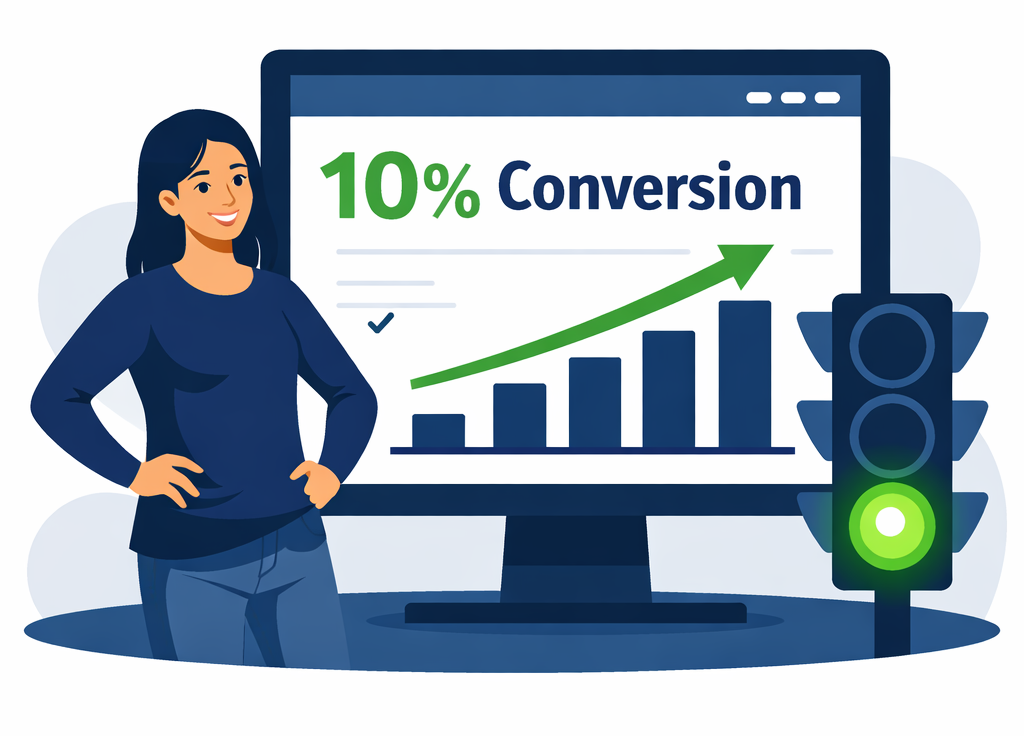
A few rough benchmarks worth knowing: if 5-10% of your engaged audience clicks through, that’s a strong signal worth building for. If almost nobody moves, the market is telling you something important before you’ve wasted a single hour of production time. For more advanced pre-selling, you can collect actual pre-order deposits, but even simple click-through data is enough to make a confident decision about whether to build.
Three Real-World Scenarios
Scenario one: The course creator. Someone has an idea for a comprehensive freelance masterclass. Instead of building all of it, they narrow down to a specific outcome (“How to Land Your First 3 Freelance Clients in 30 Days”) and send one email to their 1,000-person list. 120 people click through. That’s a 12% click rate and a clear green light to build.
Scenario two: The software founder. Rather than spending months building an MVP that nobody wants, they create a simple landing page mockup and email their list describing the problem the tool would solve. Strong interest means start building. Low interest means pivot. Zero code written either way.
Scenario three: The coach. Instead of creating a 12-week curriculum in isolation, they offer five beta spots at a reduced price and collect small deposits. They build the program live with the first cohort, incorporating real feedback along the way, and by the time they launch publicly, they have testimonials, a refined curriculum, and proof that people will pay.
Three different business types, three different approaches, and the same fundamental principle.
Why This Protects Your Most Valuable Asset
Time is the one thing nobody gets back. Without pre-selling, the typical path is three months of building followed by emotional attachment that makes it nearly impossible to pivot objectively. With pre-selling, you spend a week testing, get clear data, and make a confident decision without ego getting in the way. If the signal is weak, you move on having lost nothing but a few hours of writing.
Protecting your time is just as important as using it productively, and pre-selling is one of the highest-leverage habits you can build because it ensures that the time you invest in building is time well spent.
Your 5-Minute Quick Win
Before you close this tab, take a few minutes and pressure test your next idea.

Write down the next offer you are seriously considering building. Then draft a short pitch for it in the range of 250 to 400 words. Describe who it is for, the specific outcome it promises, what changes for them as a result, and what would be included if you built it.
Once you have that written, identify exactly who you would send it to. A segment of your email list. A small group inside your community. A handful of past customers.
Then make a simple commitment to yourself: you will send that pitch before you build a single piece of the product.
The entire exercise takes less time than outlining a module. And it can save you months of building something the market never asked for.
“But What If…”
- “What if nobody clicks?”: Then you have clear information. You have learned that the offer, as positioned, is not resonating strongly enough. That insight is far more valuable than three months of silent guesswork. It allows you to adjust the idea, refine the positioning, or move on entirely without significant sunk cost.
- “What if people think my idea isn’t polished?”: It is not supposed to be polished. At this stage, you are presenting a concept and measuring interest. Most reasonable people understand the difference between a beta idea and a finished product. In fact, involving them early often increases buy-in rather than diminishing it.
- “What if I disappoint someone who was interested?”: That is part of responsible decision-making. It is better to pause an idea after early feedback than to push forward with something that does not have sufficient demand.
 Building always feels productive. Testing often feels exposed. That tension is real, which is why so many entrepreneurs default to building first.
The more sustainable path is quieter and more deliberate. Test the idea. Measure the response. Let the market show you where the energy is. Then build with confidence, knowing there is already interest on the other side.
Pre-sell before you build. Not as a slogan, but as a discipline.

