

Right now, somewhere, another affiliate is getting ready to send the exact same offer you are.
Black Friday is about eight weeks out and most of the big deals are already locked in. The software discounts, the tool bundles, the annual plans, most of them hand every affiliate the same promo copy, the same images, and a link that points to the same sales page. So by late November your subscriber gets that offer from you and from a dozen other people they follow, worded almost identically.
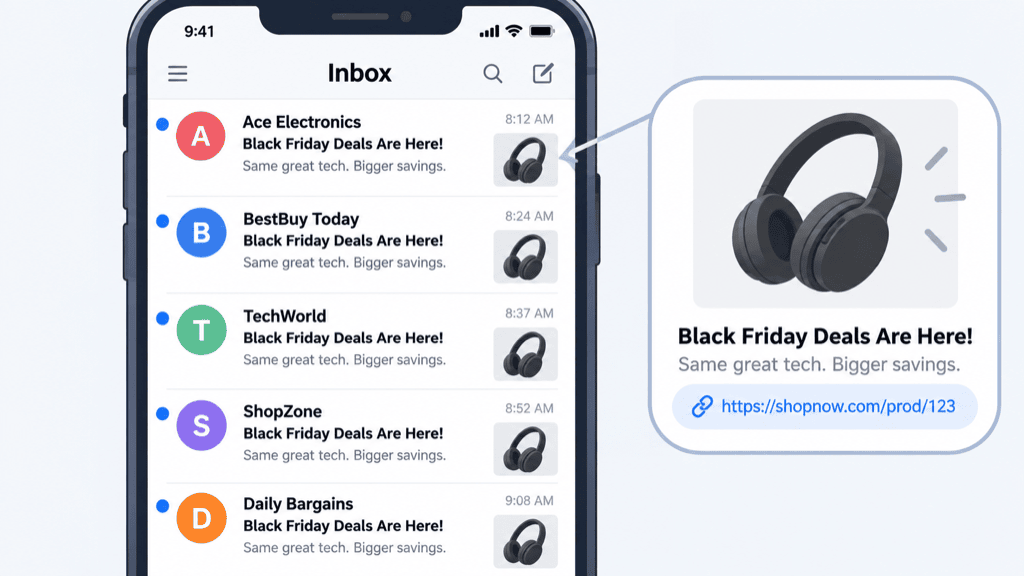
When the offer, the page, and the copy are all the same, price becomes just about the only thing left for the buyer to decide on. And price is the one lever you do not control.
Most people react to this by trying to send more traffic. More clicks, more list growth, more ad spend, all crammed into the eight weeks when everything is most expensive and most crowded. There is a quieter lever sitting right next to that one, and hardly anyone pulls it: what you add on top of the offer.
That is the whole idea behind a bonus stack.
By the end of this post you will have:
- One offer picked out to build a stack around
- The next problem your buyer runs into pinned down
- A bonus you can put together from things you already own
- A plain, honest way to present and deliver it
- The simple math showing how the same clicks can pay a lot more
The Bonus Stack Method
A bonus stack is a small set of your own extras that you attach to an affiliate offer, so that buying through your link is clearly the better move. Same product, same price, same merchant. The difference is that your version comes with something the other affiliates are not offering.
It works because it moves the decision off price. Some buyers were going to purchase anyway and now use your link instead of a competitor’s, and others were on the fence until the extra help tipped them over. Either way you lift the share of your existing clicks that turn into sales, so you earn more without finding a single new visitor.
There are four steps.
Step 1: Pick one offer to stack, not ten
The instinct in Q4 is to promote everything that lands in your inbox. Resist it. A stack takes a bit of thought to build, so you want that effort going into the one offer that can carry it.
Pick the single flagship offer you would happily promote anyway. The one worth stacking usually has three things going for it:
- You genuinely rate it, because your name is on the recommendation
- The commission is worth the work, ideally higher-ticket or recurring so the effort pays off well past Black Friday
- Your audience already wants it, so you are adding to demand that exists rather than manufacturing it
One well-stacked offer usually beats five bare links.
Step 2: Pinpoint the next problem the purchase creates
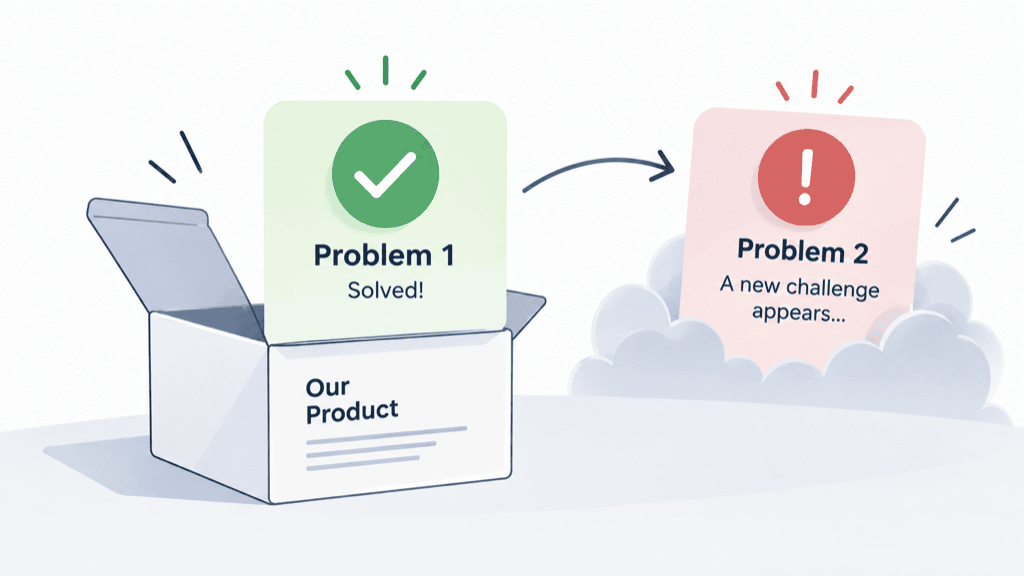
Before you even think about what the bonus is, work out what happens right after someone buys. Most products solve one problem and quietly hand the buyer the next one.
Someone buys an email platform and now stares at a blank account with no sequences in it. Someone buys a product-research tool and now has to figure out which of the forty filters actually matter. Someone buys a hosting plan and now has to get the thing set up without breaking anything.
The bonus worth building is the one that removes that next obstacle. Decide the problem first. If you skip this step, you will grab whatever asset is easiest to make and then talk yourself into why it fits, and that is exactly how you end up with a stack of padding nobody wanted.
Step 3: Build the bonus that closes that gap from assets you already own
Now, and only now, pick the format. You almost certainly have more raw material sitting around than you think:
- A checklist or template you already use yourself
- A short screen recording that walks through something you know how to do
- A quick-start guide that gets someone from zero to their first small result
Run every bonus through three questions before it goes in the stack:
- Is it relevant to this specific offer?
- Is it useful in the first hour after purchase?
- Is it valuable enough that someone would choose my link to get it?
If a bonus cannot clear all three, leave it out. You are better off with one that lands than three that just fill space.

Step 4: Present and deliver the stack at the moment of choice
State the stack plainly, right next to your call to action, in true terms. A short line like “Buy through my link and I will send you my five plug-in email sequences so your account is not empty on day one” does more than a paragraph of hype.
Then handle delivery realistically. Most affiliate programs do not tell you who bought through your link, so you cannot just email the buyer automatically. The simple fix is a claim page. The buyer purchases, forwards their receipt or order number to a short form or an email address, and you send the bonuses back. You can set this up in a few minutes with a free form, and it doubles as proof of purchase so only real buyers get the extras.

The Math Behind “Same Clicks, 2-3x”
Let me ground that promise, because a multiplier in a title should never float on its own. The numbers below are rounded and illustrative, not a guarantee.
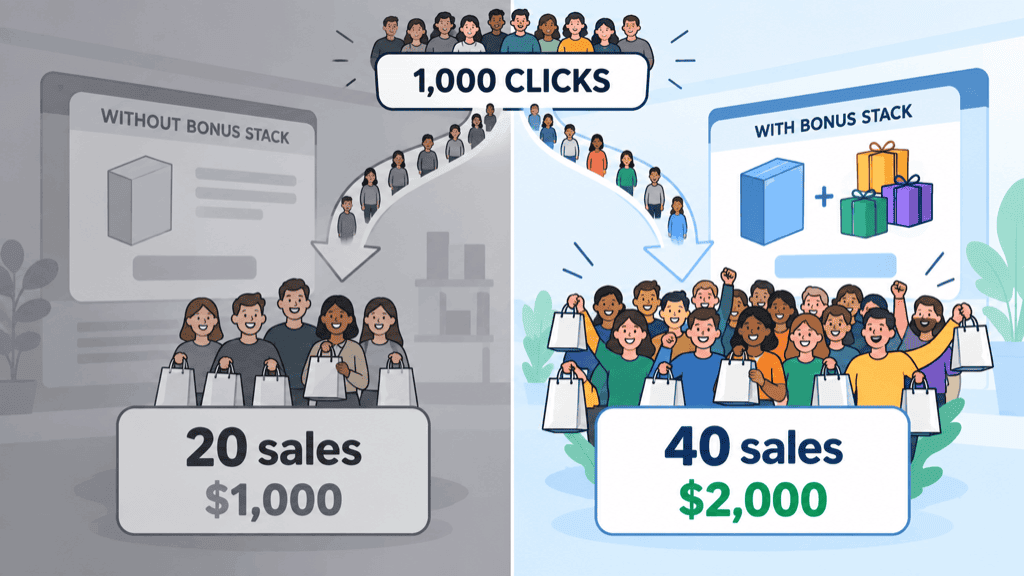
Say you send 1,000 clicks to an offer over your Black Friday window. Nothing about that number changes. At a 2% conversion rate, 20 people buy. At a $50 commission, that is $1,000. Your earnings per click work out to $1.
Now add a bonus stack that makes your link the better one to use. It lifts your conversion in one of two ways: it nudges someone who was on the fence into buying, or it gives someone who had already decided a reason to buy through your link instead of a competitor’s. Either route sends more of the same 1,000 clicks through you as sales.
Say it takes your conversion from 2% to 4%. Now 40 people buy instead of 20, and the same 1,000 clicks pay $2,000. Your earnings per click doubled, and you did not find one extra visitor. Push it further, to 5 or 6% on an offer your audience really wants, and you are into 2.5 to 3x on the same traffic.
The multiplier comes from one lever only: more of the clicks you already have buy through you. It has nothing to do with the merchant’s price or your commission rate, because those do not move.
Treat those numbers as illustration, not a forecast. Doubling is already a strong outcome, and the 3x end is a best case that only a genuinely well-matched stack on a warm list will reach. Plenty of stacks lift conversion by less, and some barely move it at all. The only way to know your number is to measure your baseline this year, add the stack, and see what it actually does on your traffic.
Three Real-World Scenarios
Scenario one: the email platform deal. An affiliate promotes a Black Friday discount on an email marketing tool. The next problem after signup is the blank account, so the bonus is a set of five ready-to-import email sequences the buyer can load on day one, so the account is earning instead of sitting empty.
Scenario two: the product-research tool. An ecommerce seller promotes a research tool to their audience. Instead of building something new, they package the exact six-filter shortlist they already use into a one-page cheat sheet, so the buyer skips the forty-filter overwhelm and finds a product fast.
Scenario three: the hosting or store app. An affiliate promotes a hosting plan or a Shopify app. They state the bonus in one line under the call to action, the buyer forwards their receipt to a simple claim page, and back comes a short setup walkthrough that gets everything live without the usual headaches.
Why This Matters
A bonus stack is not a one-off Black Friday trick you throw away in December. Build it once and it keeps working every time you promote that offer, through the holidays and well into next year.
That is the real difference between affiliates who compound and affiliates who start from scratch each launch. One group treats every promo as a fresh scramble for traffic. The other builds assets that make each new campaign convert a little better than the last, off the same audience they already have. The stack is one of those assets.
Your 5-Minute Quick Win
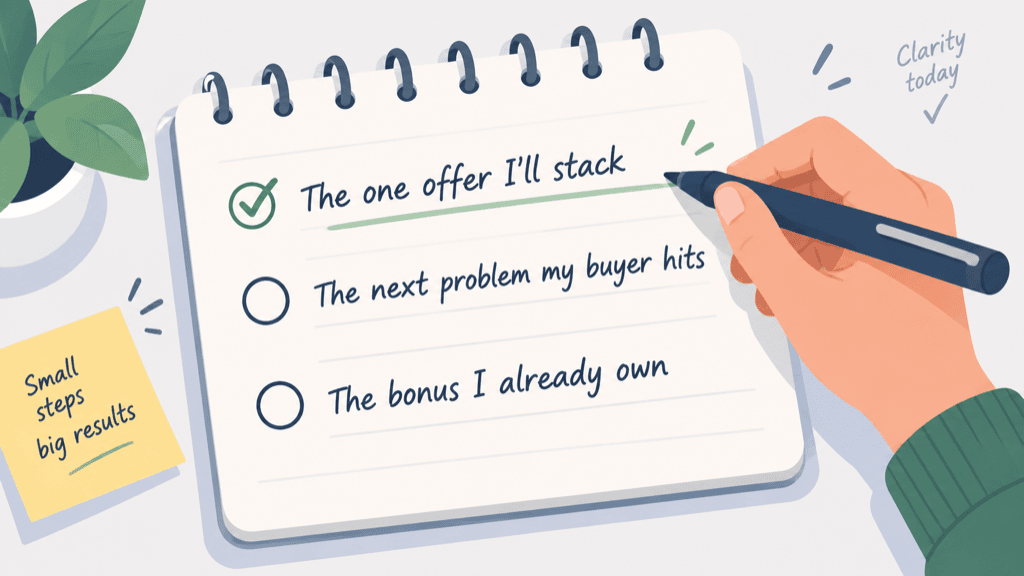
Open a note right now and fill in three lines:
- The one offer I will stack: ___
- The next problem my buyer hits after buying: ___
- The bonus I already own that closes it: ___
If you can fill in those three lines, you have the spine of a stack. Everything else is just packaging it and writing the one line that goes under your link.
“But What If…” (Objections)
“What if I do not have anything to give as a bonus?”
You have more than you think. A checklist you follow, a template you reuse, a short recording of something you already do well. You are not creating a product from nothing, you are packaging what you already know into something a buyer can use in an hour.
“What if the merchant does not allow bonus offers?”
Some programs restrict them and a few forbid them outright, so check the affiliate terms before you build anything. When bonuses are not allowed, the same instinct still applies: the extra help just goes into your content and emails around the offer instead of being attached to the sale.
“What if my list is small?”
Small lists are where this works hardest, because you are multiplying conversion, not traffic. Turning 2% into 4% matters more when you only have a few hundred clicks to begin with, since every one of them counts.
The affiliates who win Black Friday this year will not be the ones who shouted loudest about the same deal everyone else was pushing. They will be the ones who gave the buyer a reason to use their link instead of the identical one three inboxes down.
You already did the hard part when you earned the click. A bonus stack just makes sure that click pays you what it is worth.

